| |
Welcome to the MEMENTOES newsletter:Game development edition | |
MEMENTOES is a collaboration between museum professionals, video game developers, and research centres which aims to combine the educational and empathy-building impacts of historical museums with the global reach and entertaining format of video games. | |
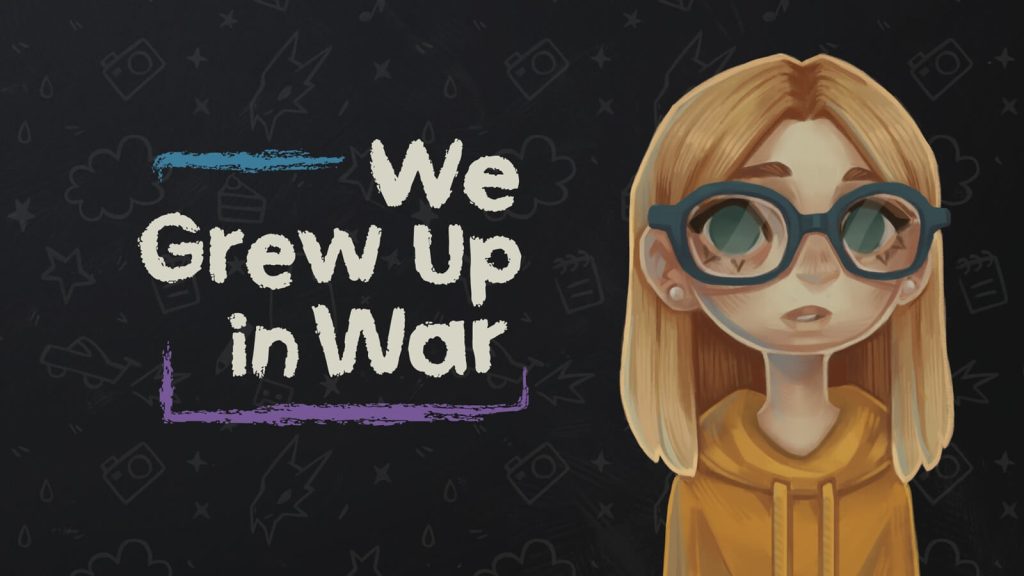
This is a special edition of the newsletter giving readers an inside look at the game development process of We Grew Up in War, a collaboration between Charles Games and the War Childhood Museum (WCM). We Grew Up in War is a PC and mobile game exploring the experiences of childhood in conflict, inspired by the testimonies of children who grew up during wars in Bosnia, Syria, and Ukraine. Through a series of vignettes, the game explores how the effects of war creep into the characters’ lives and home cities, depicting moments of fear and grief alongside more mundane realities, such as boredom and finding supplies, which characterise the wartime experience. | |
Don't forget to follow us for ongoing updates about our research, game development, and other outputs. | |
Were you forwarded this newsletter? Subscribe below. | |
| |
| |
| |
Meet the Creators: We Grew Up in War | |
MEMENTOES is a three-year long project bringing together organisations from very different sectors who haven’t worked together before. So, how does it work? Below are excerpts from interviews with Ondřej Trhoň from Charles Games and Justyna Gorniak from the WCM about the process of developing their game, We Grew Up in War, and the significance of the project to their work. Note that all images are works-in-progress, which may change. | |
| |
Ondřej Trhoň, Charles Games What societal needs does this project address?
We Grew Up in War addresses the need for greater empathy towards children affected by war...[it’s] a unique case of cooperation between a museum and a video game studio, allowing us to harness the potential of video games to promote critical thinking, help in education efforts, and foster mutual understanding of conflicts.
How do you approach making a game from such sensitive material?
Creating a game based on sensitive real-life experiences requires a respectful and thoughtful approach...we focused on the mundane, the everyday, without explicit violence. Not only do we then avert the danger of re-traumatizing our players, but we can tell a very nuanced story that shows our protagonists in all of their complexity.
What can this project do for the game development industry?
It will show that games tackling war can talk about much more than just warfare itself and that kids are not helpless victims, but people with their own vast range of emotions and vivid imagination...The project sets a precedent for future collaborations between the gaming industry and cultural institutions. It highlights the role of games in addressing complex societal issues and expanding the scope of storytelling within the medium.
What’s been your favourite part of game development so far?
A particularly rewarding aspect has been witnessing players’ reactions during early testing phases...Not only did they provide valuable feedback, but their reactions showed us that our game resonates with a younger audience, and that we are on the right path in making a game about cross-generational and cross-cultural empathy.
| |
Justyna Gorniak, War Childhood Museum Why is digital media important to your work?
By sharing stories, objects, and experiences through digital platforms, we can bring our mission to a global audience. Beyond accessibility, digital media enables us to develop innovative educational initiatives. From virtual exhibitions to interactive storytelling, we can engage people in new ways. As a museum dedicated to the experiences of childhood affected by war, it is our responsibility to use available tools to amplify these voices and ensure they are heard worldwide. What impact will this game have for your organisation?
We Grew Up in War is an important output for the WCM. Its educational version is an innovative tool in the field of peace education – or broader human rights education – and we expect the WCM to use it long-term to enhance how these topics are taught in European schools. Our extensive network of hundreds of schools and teachers in different European countries, along with our partner network, provides a strong foundation for the sustainability of the game’s educational version.
What can these types of partnerships do for people working in museums and memorialisation?
Museums and the field of memory are often excluded from technological advancements and rarely have the resources to invest in innovative tools. By collaborating with leading game development studios and research institutes, museums not only gain direct benefits, but also foster a culture of innovation and continuous progress within the organisation and the sector. This is critically important if we want to create a resilient, innovative, sustainable, and adaptive European museum sector. | | | |
To read the full interview, head to our website at the link below. | |
| |
| |
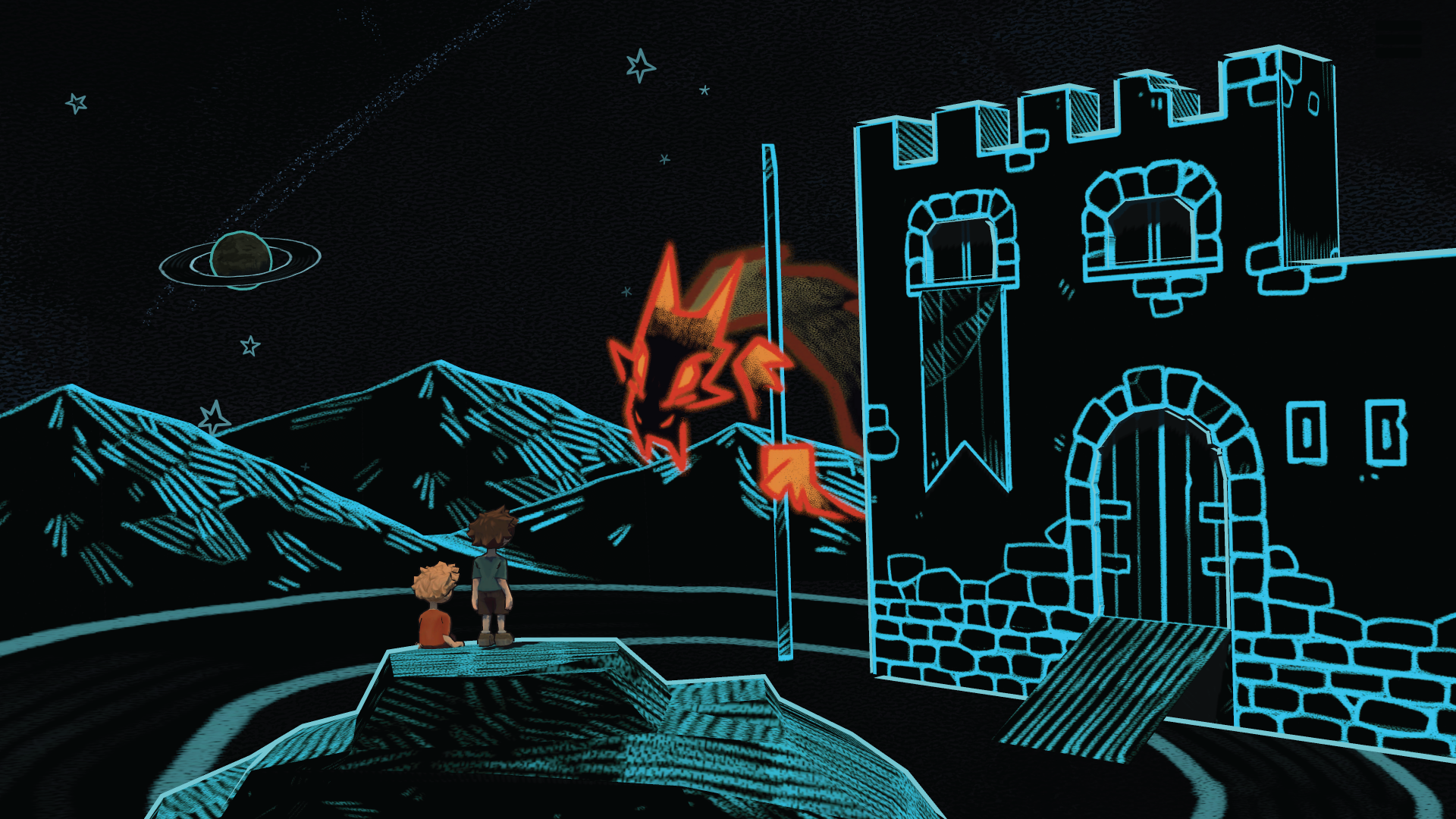
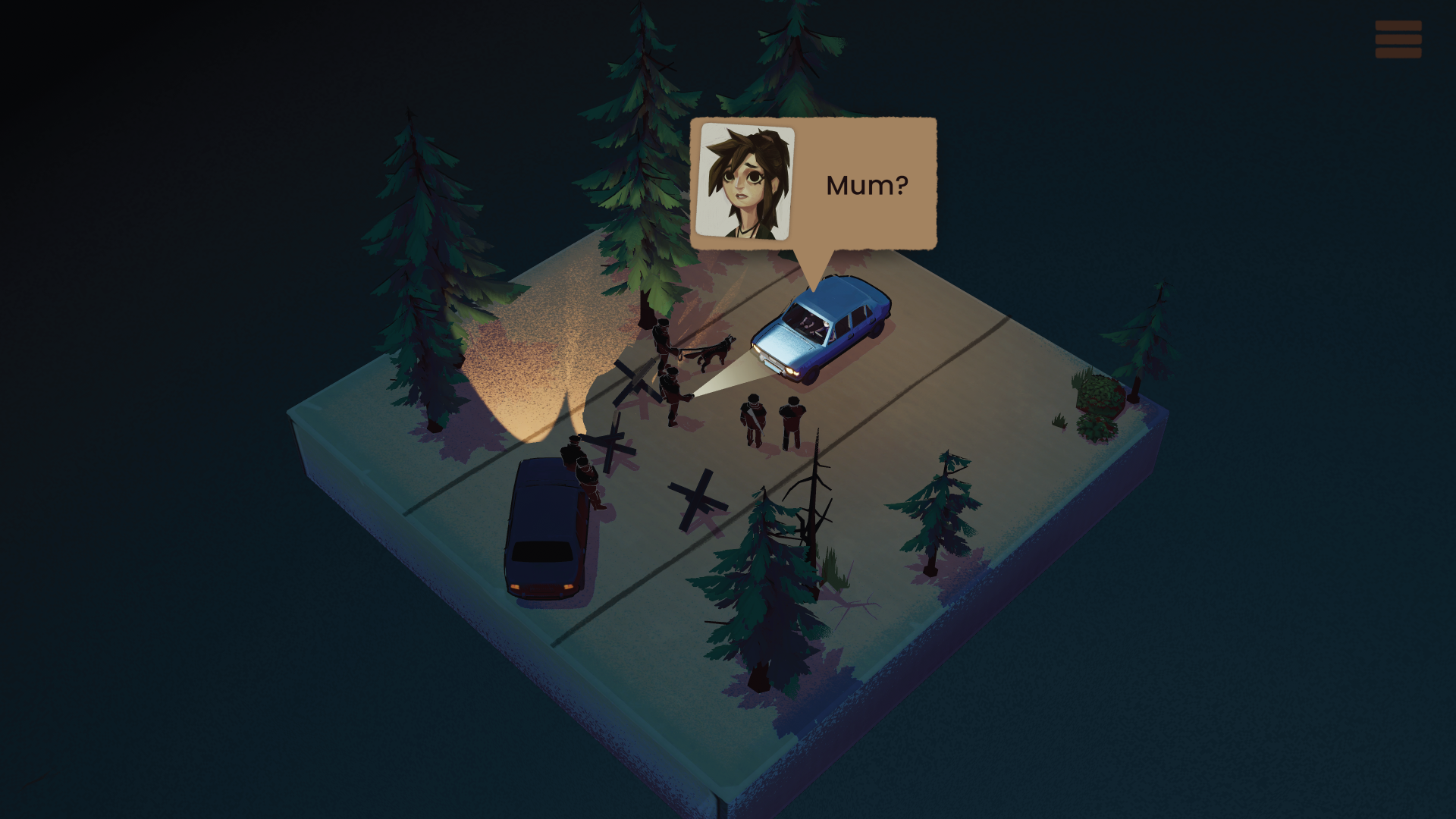
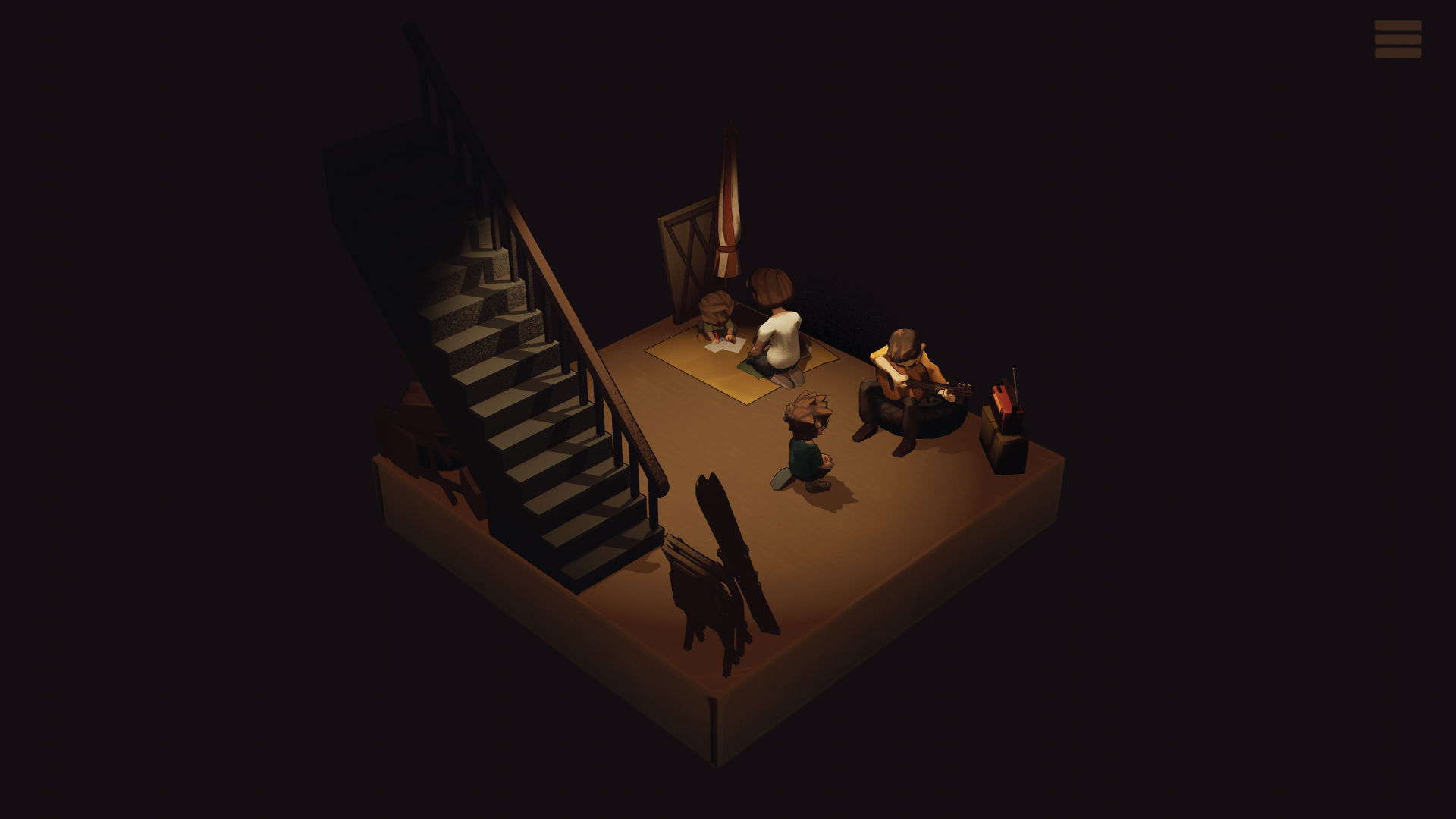
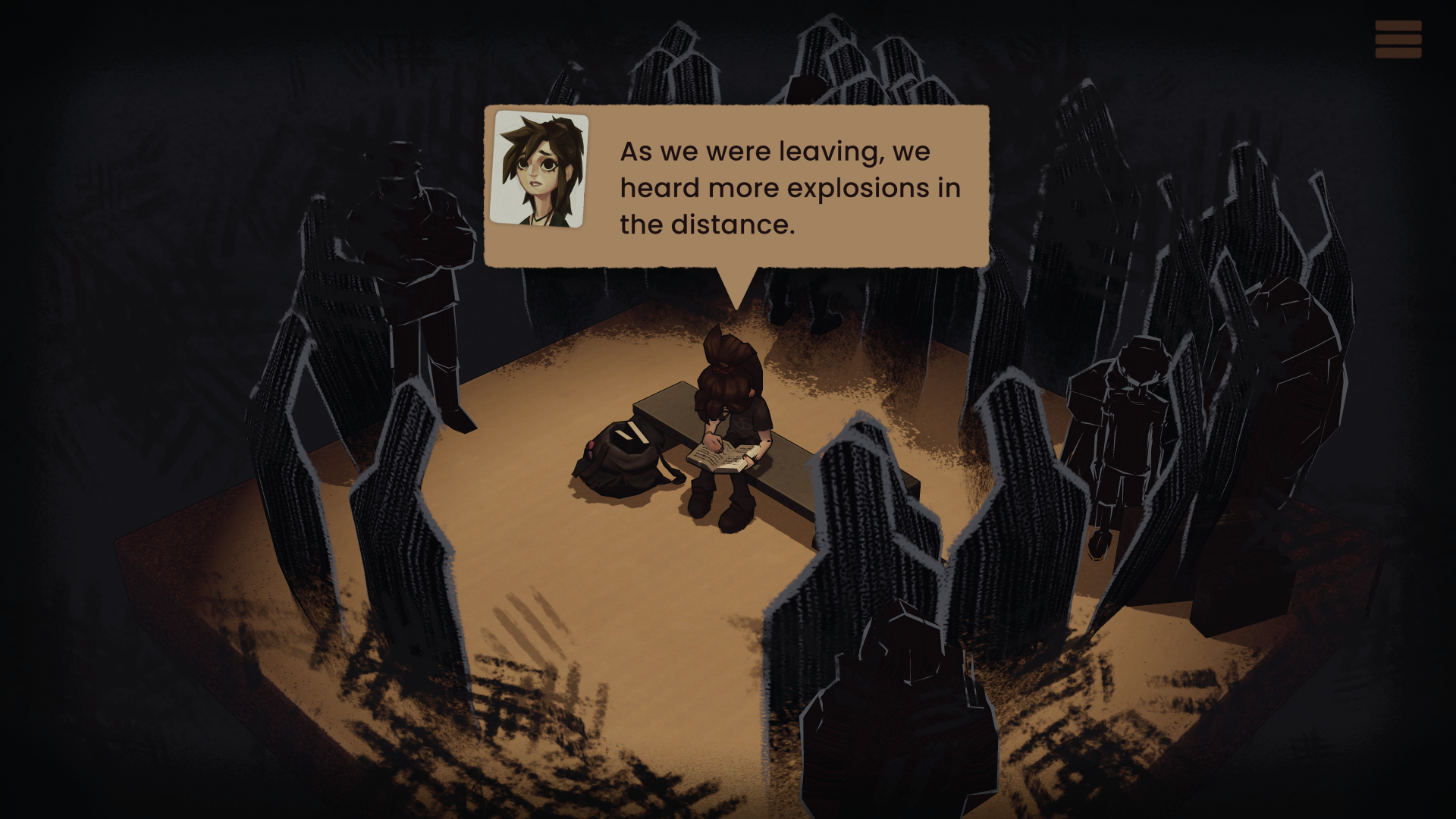
We Grew Up in War gameplay | |
Below are some work-in-progress images from the We Grew Up in War production team. Please note that these may change throughout the development process. | |
| |
| |
Learn more about We Grew Up in War | |
Click the link below for a preliminary Game Design Document outlining the storytelling and game dynamics of We Grew Up in War. | | | |
| |
| |
New publication: "Serious Games: Beyond Entertainment and Learning" | |
| |
This paper from our partners at FORTH introduces a new evaluation framework for serious games that goes beyond traditional assessments of entertainment and learning outcomes to include empathy building and attitude change. Validated through three user studies with 98 high school students, the framework was applied to assess three games on criteria such as historical awareness, emotional impact, and mindset shifts. The findings highlight the importance of measuring deeper player experiences when evaluating serious games. Key insights and practical lessons from the studies offer valuable guidance for future game-based educational projects like MEMENTOES. | |
| |
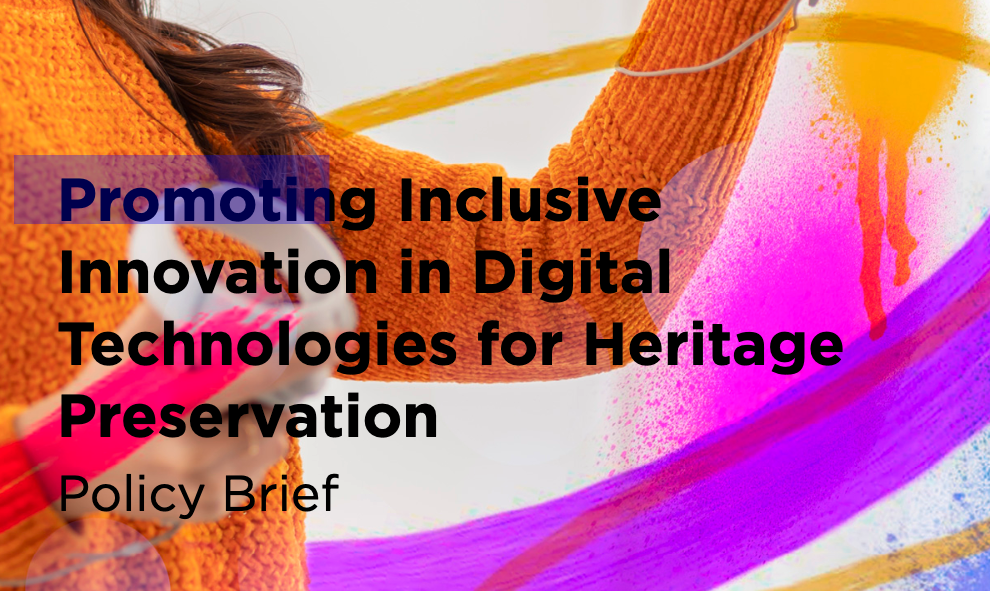
Policy brief: "Promoting Inclusive Innovation in Digital Technologies for Heritage Preservation" | |
| |
This policy brief, co-produced by the Digital Cultural Heritage Cluster, highlights the importance of bridging skills gaps and fostering digital inclusion to support innovation in the cultural heritage sector. It outlines policy actions to enhance interdisciplinary education, capacity building, and accessibility through collaboration between tech firms, researchers, and cultural institutions. The brief draws on insights from the MEMENTOES project and its sister initiatives—MEMORISE, MuseIT, PREMIERE, and SHIFT—which are working to promote the sustainable preservation and digitisation of cultural heritage. Together, these projects aim to ensure cultural heritage, including “born digital” content, is accessible, inclusive, and future-ready. | |
| |
| |
| |
Spotlight: Games that resonate | |
| |
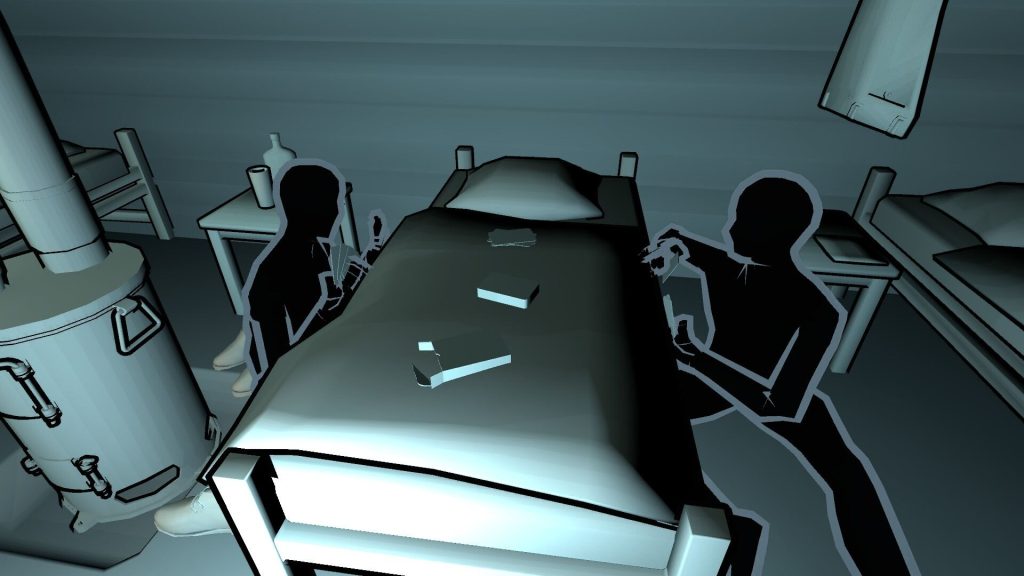
Still image from Those From Below - subject to change | |
The MEMENTOES project highlights the transformative potential of video games beyond entertainment, positioning them as powerful tools for storytelling and education. In a recent blog, partners from Causa Creations advocate for a broader recognition of “games that resonate”—titles that combine high-quality design with meaningful exploration of historical and cultural themes. This approach challenges the stigma around educational games by prioritizing emotional and intellectual engagement without compromising gameplay. In doing so, the project aims to redefine how games are perceived and used in both cultural and educational contexts. Read the blog at the link below. | |
| |
Teaching peace through video games: The perspective of the War Childhood Museum | |
| |
The War Childhood Museum is using We Grew Up in War as part of its peace education work with teachers and schools, demonstrating the powerful potential of video games in teaching about war, displacement, and resilience. Early feedback from educators has been overwhelmingly positive, highlighting the game's emotional impact and educational value in the classroom. Learn more about the WCM's use of the game in educational initiatives at the link below. | |
| |
| |
ReBoot Develop
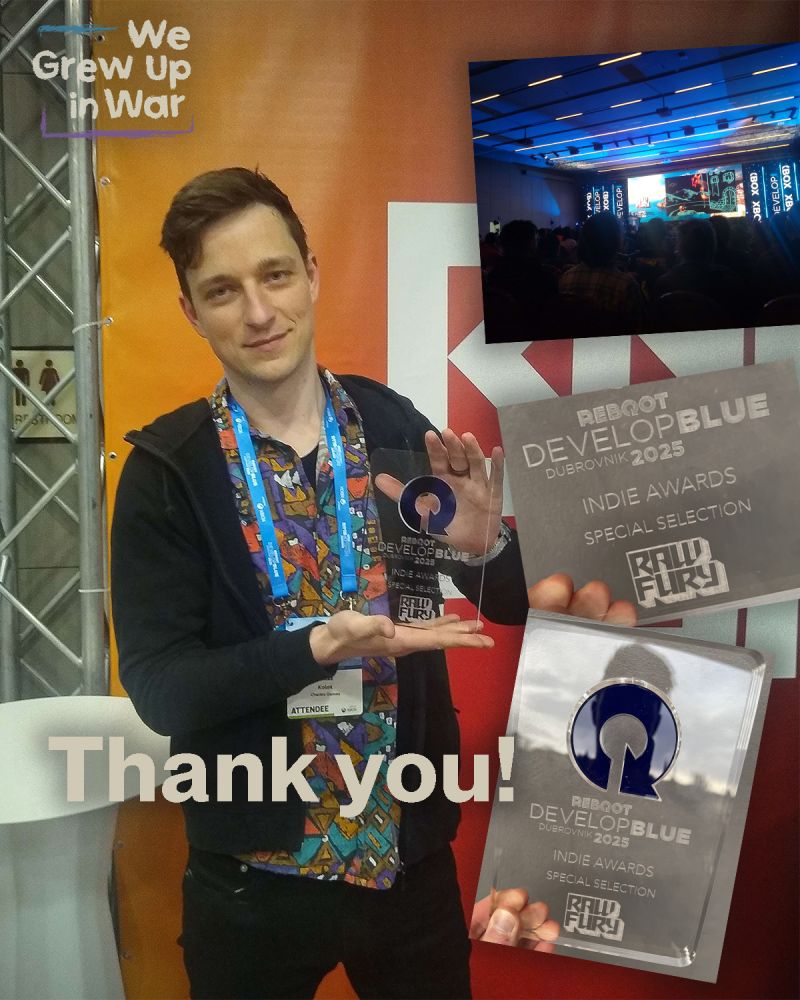
Our partners Causa Creations and Charles Games attended the ReBoot festival, where We Grew Up in War was presented with an award - Indie Awards, Special Selection.
| | | |
We recently participated in Nordic Games 2025 with our partners from the Games for Culture Cluster. | | | |
| |
We recently made some changes to our website to reflect the project’s progress. See the new Games for Culture page for updated descriptions of each of the three games and head to the Results page for descriptions of some of our other outputs, including our AI Services and Accessibility SDK. We’ve also updated our Sister Projects page with some information about the Games for Culture Cluster. | |
We're on Bluesky and Instagram! | |
| |
| |
| |
| |
| |
| |
This project has received funding from the European Research Executive Agency under grant agreement No 101061496. | | | |
| |
Funded by the European Union. Views and opinions expressed are however those of the author(s) only and do not necessarily reflect those of the European Union of the European Research Executive Agency. Neither the European Union nor the granting authority can be held responsible for them.
| |
You are receiving this newsletter because you have expressed interest in the project (informed consent, GDPR Art. 6.1.a) or because you work in a field related to the topics covered by the project (legitimate interest, GDPR Art. 6.1.f). If you no longer want to receive these emails, update your preferences or unsubscribe from this mailing list.
| |
| |