| |
Welcome to our last newsletter - September 2025 | |
In times of crisis, accelerated research saves lives, but it is not always done ethically. The EU funded PREPARED project designed a values-based framework to expedite research in times of global crisis without sacrificing ethics and integrity. Visit our website and follow us on social media to know more. | |
| |
| |
Dear reader,
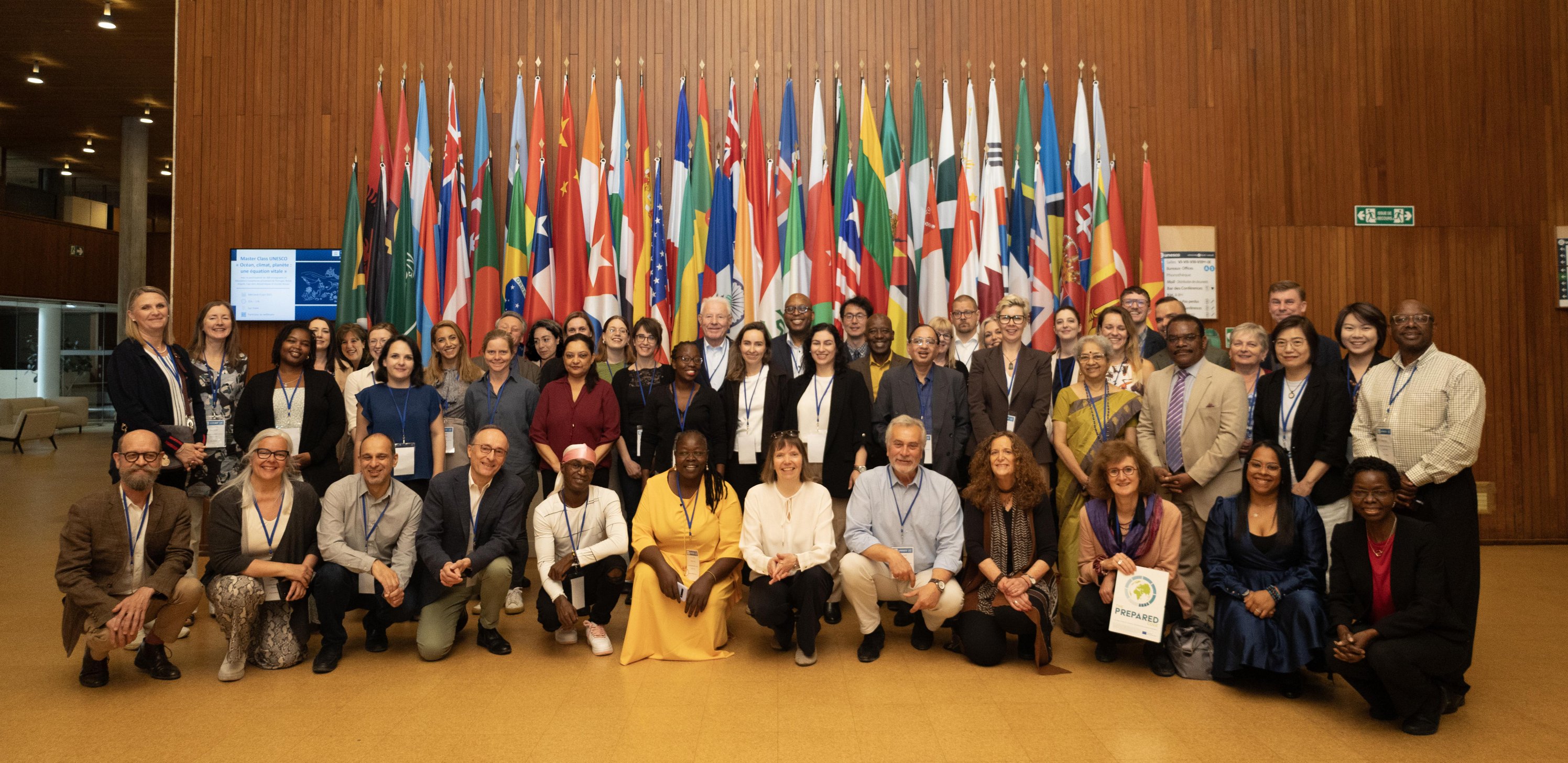
After three years of great collaborations and hard work, the PREPARED project has come to an end last month. We would like to thank you all for the support and interest you have shown in our project and hope you will enjoy our last newsletter. As a final look back, this newsletter recaps some of the key work we've accomplished over the last three years - from the PREPARED Code and TRUST Code Supplement to our essential guidance for RECs, researchers, and editors, insightful ethics briefs, and much more... We think it’s all interesting, but if you’re pressed for time, our ‘quick links’ allow you to skip to what interests you the most. | |
| |
The TRUST Family of Ethics Codes | |
| |
The TRUST Family of Ethics Codes provides resources for those who want to support equitable research around the world. Our PREPARED outputs have now joined this family, adding specific guidance for research in: - Fragile settings (with the TRUST Code Supplement)
- Pandemics (with the PREPARED Code)
The family of codes also provides resources for research in resource-limited settings and when working with the San in South Africa. | |
| |
| |
PREPARED App and training materials
| |
Our research has shown that training is essential to prepare researchers for the next crisis. For this reason we have developed a suite of free training materials, including short video clips in English, Chinese and Spanish, as well as a dedicated app. Level up your research ethics knowledge with PREPARED’s free training videos. Start watching now. | |
| |
The PREPARED App helps navigate dilemmas in global crises. It provides a digital platform to complement the training in terms of research ethics and integrity decision-making during global crises. This is achieved by integrating with illuminative case studies that enable transformative learning. | |
| |
| |
| |
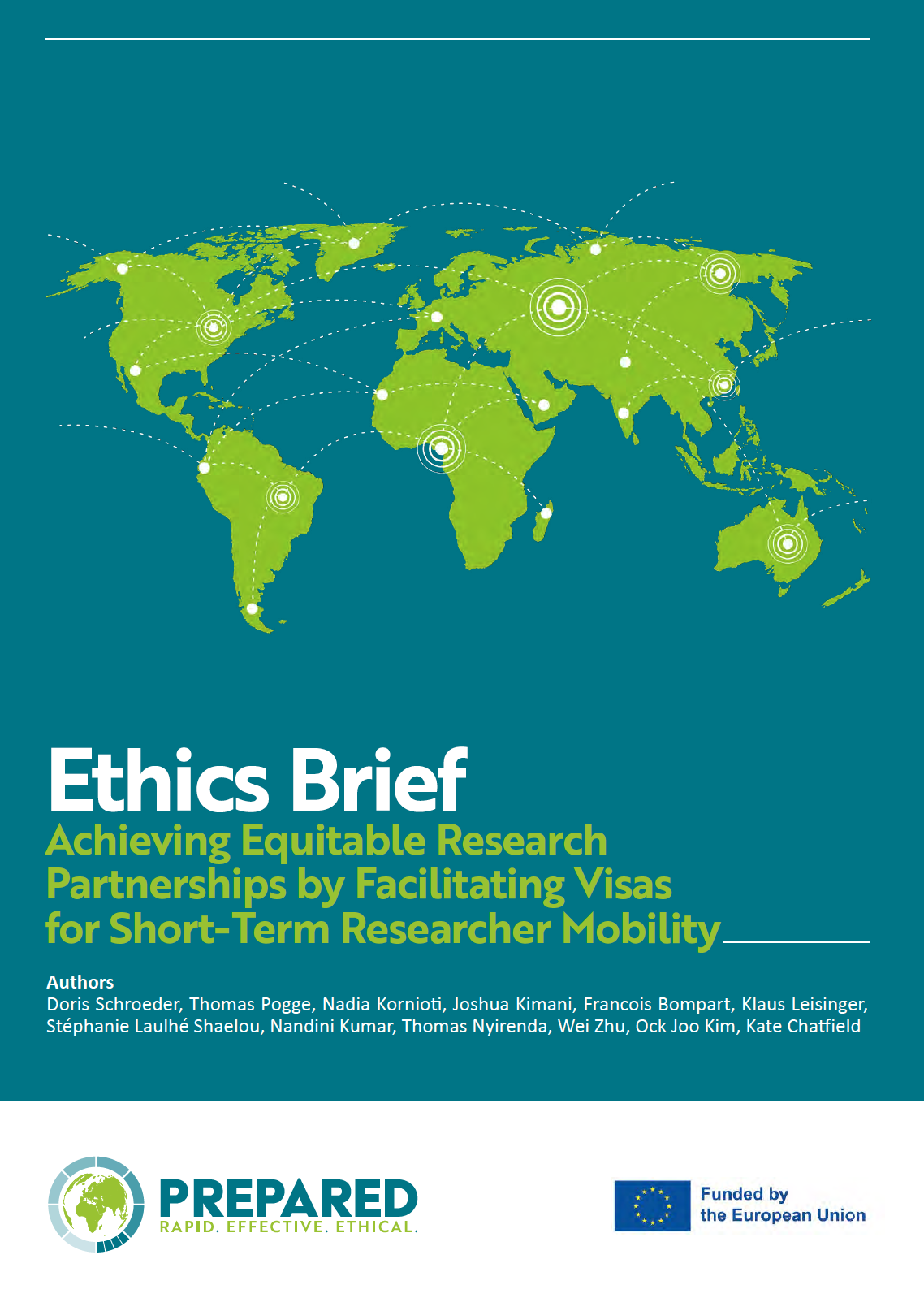
Achieving Equitable Research Partnerships By Facilitating Visas For Short-Term Researcher Mobility | |
This ethics brief is an advocacy policy brief that provides advice to policymakers structured by the values of fairness, respect, care and honesty. We advocate for fast, unbureaucratic, low-cost, low-burden, short-term mobility visas, as the current visa requirements significantly impede scientific exchange. Read our policy brief and hear firsthand experiences from our PREPARED colleagues regarding their visa applications here. | | | |
| |
| |
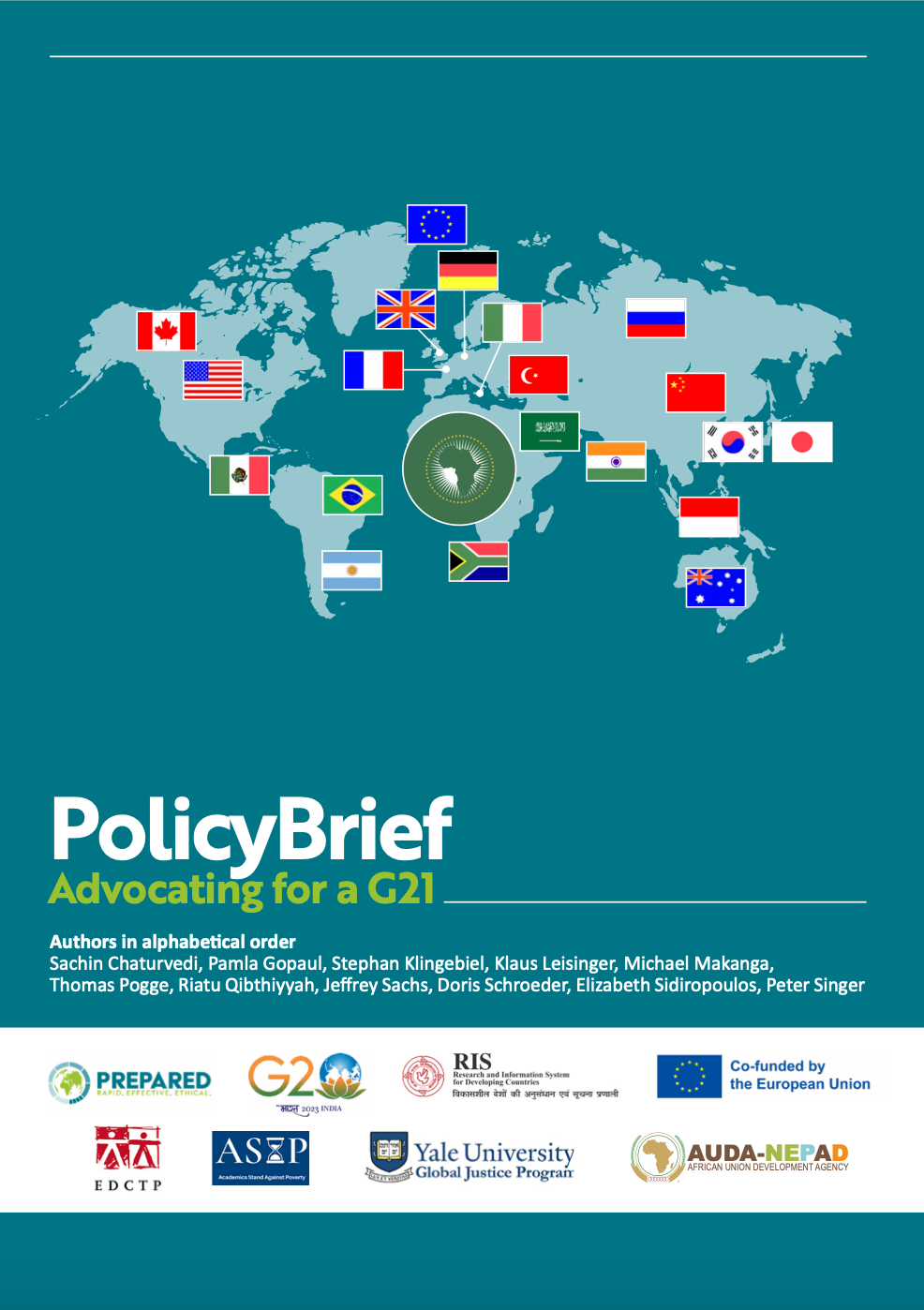
The G20 or Group of Twenty is one of the most powerful multilateral platforms today. It plays an important role in shaping and strengthening global governance on all major international economic issues. In September 2023, the African Union was officially welcomed as a full member of the G20 at the New Delhi summit, in the first acceptance of a new member since the group’s inception in 1999. In the months prior to the announcement, PREPARED was championing the G21 cause. Read why a G21 matters. | | | |
| |
| |
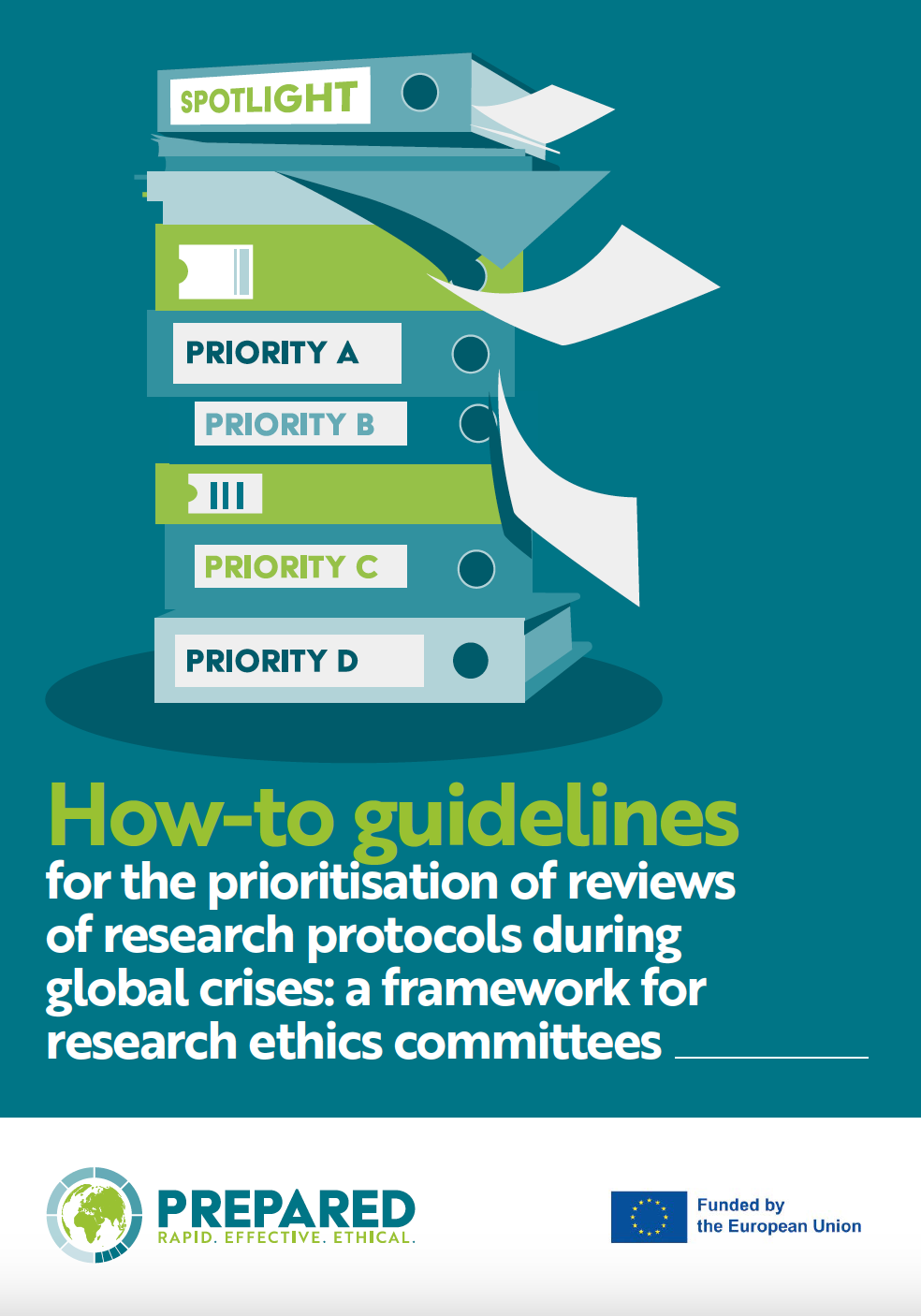
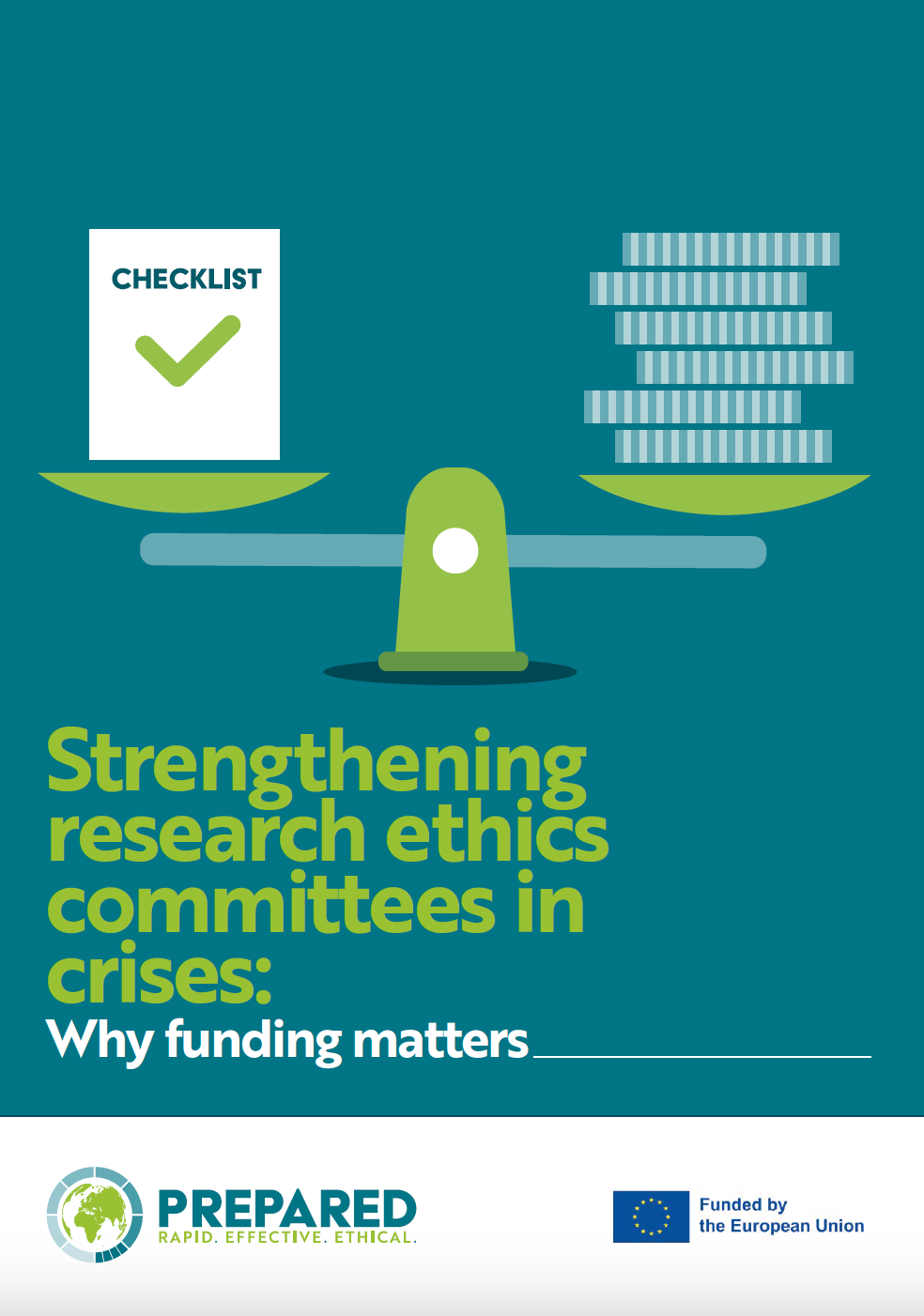
During sudden, global crises, when confronted with limited resources and increasing workloads, research ethics committees (RECs) may face significant challenges related to the ethical reviews of protocols. Two of our reports address these challenges: the “How-to guidelines” offer a framework to help RECs adjust their ethical review process, while a separate report highlights the lack of stable funding as a major obstacle and calls for consistent financial support from key stakeholders.
| |
| |
| |
| |
Guidance for researchers and editors
| |
Freedom from harassment for scientists is essential
| |
Every day around the world, scientists are being abused and harassed online and in person. We developed a report to explain what these threats are and how they can be countered because freedom from harassment for scientists is essential. Read the guidance here.
| |
| |
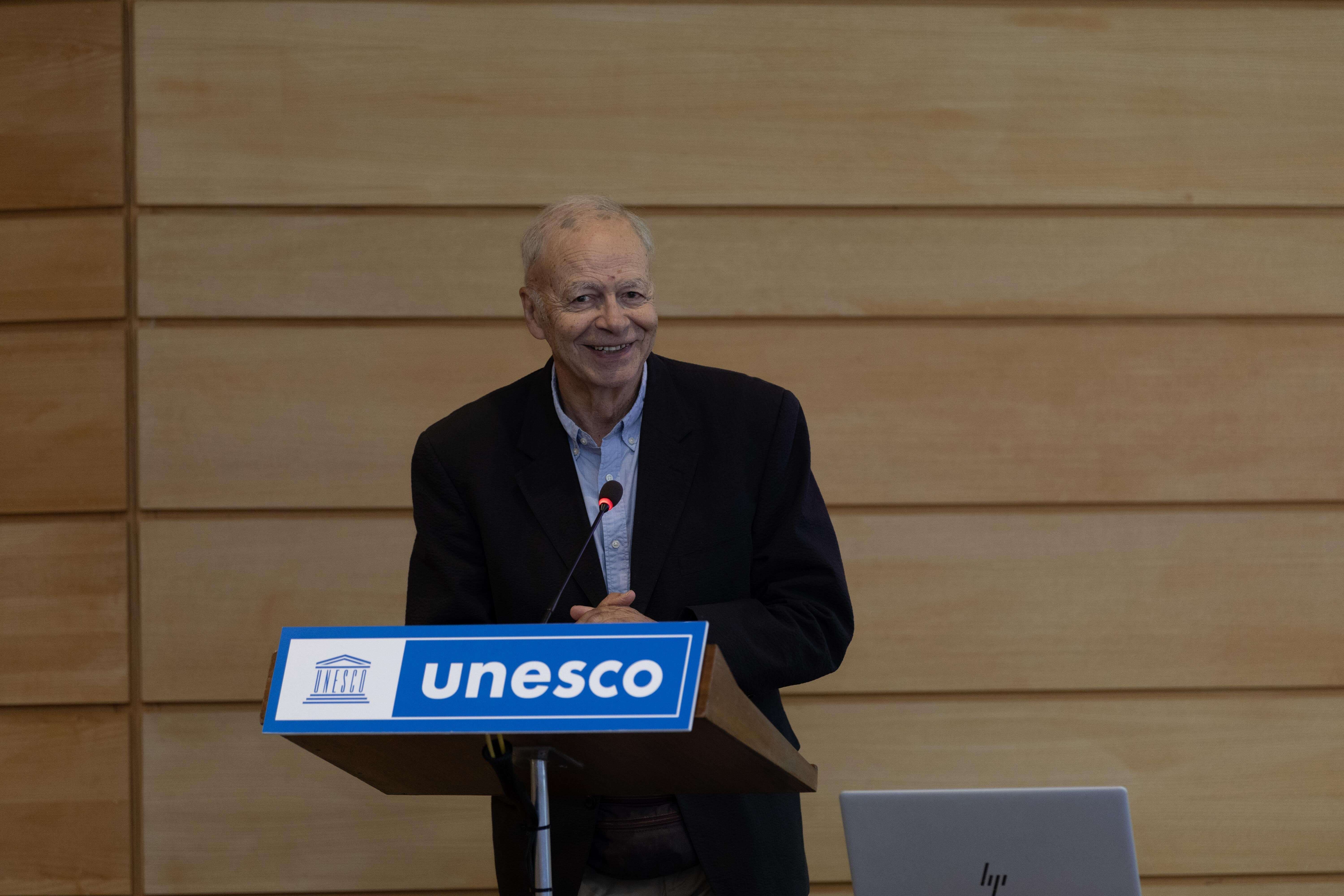
Prof. Peter Singer launches the Freedom from Harassment report at the PREPARED Final Conference in Paris (3 June 2025) | |
| |
Guidance for fair and fast desk assessment of submitted manuscripts during times of crisis | |
During the COVID-19 pandemic, the fast-tracking of pandemic research placed a heavy burden on the system. Research ethics committees (RECs) struggled to manage increased workloads, new remote workflows, and a lack of resources. At the same time, editors and publishers were inundated with a flood of submissions, facing their own challenges like a shortage of reviewers and staff affected by the crisis. After consultation with relevant stakeholders and research conducted in eight languages, PREPARED can now offer two types of guidance to improve system resilience. Read our guidance here. | |
| |
What we're reading
Publications
A record 16 peer-reviewed publications have been accepted from our work so far, as well as a special issue published in Research Ethics. All our publications are open access and are available on our website. Here is a small selection: | |
| |
Blogs
Want even more reading material? Have a look at our project reports here. | |
| |
| |
Funded by the European Union. UK participants in Horizon Europe Project PREPARED are supported by UK Research and Innovation grant number 10048353 (University of Central Lancashire). Swiss participants in Horizon Europe Project Prepared are supported by the State Secretariat for Education, Research and Innovation (SERI). Views and opinions expressed are however those of the author(s) only and do not necessarily reflect those of the European Union or the Research Executive Agency or UKRI or SERI. Neither the European Union nor the granting authority nor UKRI or SERI can be held responsible for them. | | | |
| |
| |
You are receiving this newsletter because you have opted in via our website or expressed interest in the project (informed consent, GDPR Art. 6.1.a), or because you work in a field related to the topics covered by the project (legitimate interest, GDPR Art. 6.1.f). If you no longer want to receive these emails Unsubscribe or Update your preferences
| |
| |
| |